Ekelundsgatan 1

411 18 Göteborg

info@qualitythink.se 073-721 41 10

What is exhibition technology?

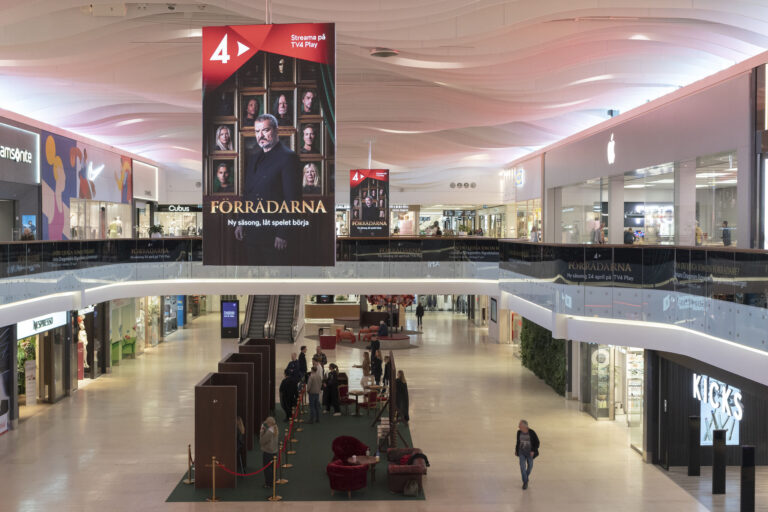
A large digital display and synchronized digital banners in a modern, multi-story shopping center show advertisements for the TV4 program “Förrädarna.” The campaign material features the text “New season, let the game begin” displayed across glass balcony railings, illustrating a large-scale DOOH installation in a public setting.

From a passive booth to a vibrant meeting place

When you step into a modern exhibition hall, you’re often met with a flood of sensory impressions. It’s bright, dynamic, and engaging. This is all thanks to one thing: modern technology. But what does the term actually mean, and how can it help a company get its message across more effectively?

Simply put, exhibition technology is a collective term for all the digital and technical tools used to make a physical booth or event come alive, interactive, and memorable. It’s about blending smart software with modern hardware to create a welcoming meeting place where the visitor takes center stage.

Here, we break down what modern exhibition technology actually entails in practice.

1. The Visual Aspect: Screens and Hardware

The first thing most people think of is what they see. This can range from large, bright LED walls displaying animated graphics to smaller touchscreens and digital signs placed throughout the booth. The purpose of the hardware is to draw attention and quickly convey who you are, but also to present information in a way that feels modern and stylish.

Interactive digital out-of-home (DOOH) advertising in the form of a lie detector for the TV4 show *Förrädarna*. A custom solution by the company Quality Think. A visitor taps a touchscreen that displays the question: 'DO YOU HAVE A TIGER AS A PET?'.

2. The Interactive: Software and Experiences

A screen is most engaging when visitors can control the content themselves. This is where software comes into play. By developing custom apps or web solutions for the screens, you can encourage interactivity. This could include:

  • Digital product guides: Where visitors can click their way around, explore your product lineup, or configure a product.

  • Gamification: A brand-specific quiz or a simple game that brings joy, engagement, and conversation starters to the booth.

  • Real-time data: Screens that update instantly with live information, the current time, or interactive feeds.

3. The Smart Part: Integrations and Follow-Up

Exhibition technology isn’t just about what happens in the moment on the exhibition floor—it’s also about streamlining the work afterward. By connecting your booth’s digital systems to your internal tools (such as your CRM or business system), you create a seamless bridge.

For example, visitors can scan a QR code or enter their email address on a screen to have product sheets sent directly to their inbox. This saves you a lot of administrative time and provides customers with lightning-fast, professional service.

2026 Paralympics - An exhibition booth at a Swedish train station for the Swedish Paralympic Committee (SWE) displaying information about the Milan-Cortina 2026 Paralympics. The screen lists Swedish competitions in cross-country skiing, alpine skiing, and wheelchair curling, March 6–15, and notes that the events will be broadcast on SVT. An interactive kiosk displays the day’s schedule.

Why Invest in exhibition technology?

The single biggest advantage of using well-designed technology is that it creates a natural flow. When the technology is robust, reliable, and easy to use, visitors enjoy stopping by more.

At the same time, it gives your team on-site complete peace of mind. When you know that everything is running smoothly in the background, you can let go of all the technical stress, relax, and focus entirely on what trade shows are best for: meeting people, starting interesting conversations, and building long-term relationships.

Published by